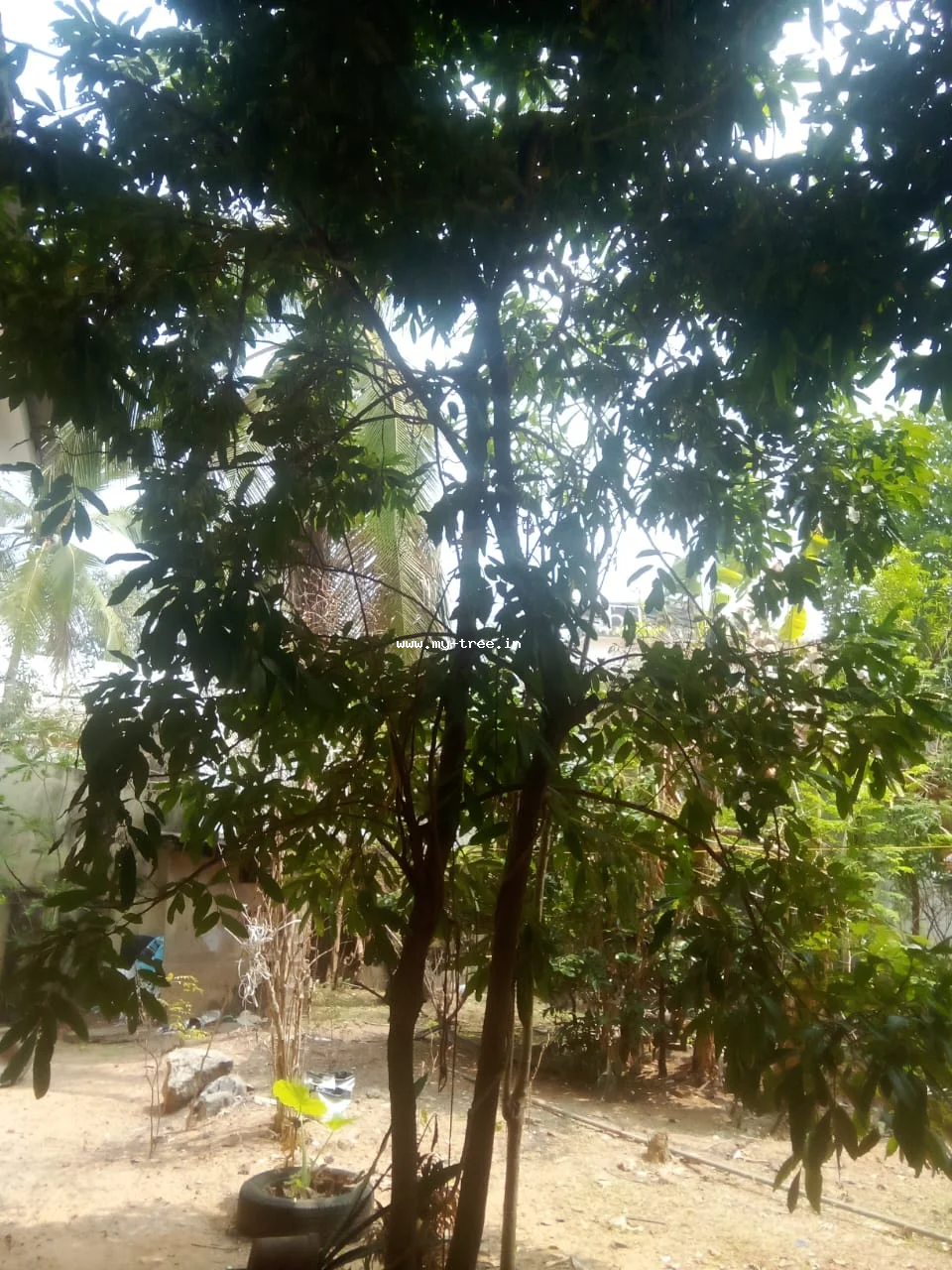
Leaves are traditionally used to help manage blood sugar and respiratory conditions. Bark has astringent properties used for diarrhea and throat issues. The fruit is rich in vitamins A and C, antioxidants, and fiber, supporting immunity, digestion, and skin health.
🔊 Listen
Known as the King of Fruits, the Mango Tree is prized for its sweet, nutritious fruit and long lifespan. It provides dense shade, attracts pollinators, improves air quality, and holds religious and cultural significance across Asia.
🔊 Listen
Mangifera indica
🔊 Listen
⚠️ AI Error: models/gemini-1.5-flash is not found for API version v1beta, or is not supported for generateContent. Call ListModels to see the list of available models and their supported methods.
🔊 Listen
⚠️ My-Tree is not responsible for misuse. Always consult a qualified professional before using any plant material.
🌱 Story of Mango Tree
Mangifera indica, commonly known as the Mango Tree, is a large evergreen tree valued for its delicious tropical fruits. It has a dense, broad canopy with glossy dark green leaves and produces fragrant flowers that develop into juicy mangoes. The tree thrives in warm climates and is widely cultivated in tropical and subtropical regions. It provides shade, supports biodiversity, and holds cultural importance in many countries.
This tree heals the planet
Every single day, Mango Tree gives back
☁️ CO₂ Absorbed
22 kg/yr
≈ 110 km of car emissions offset annually
💨 Oxygen Released
16 kg/yr
💧 Water Conserved
3,740 L/yr
5
Age
—m
Height
—yr
Lifespan
Young
Stage
📋 Details
🌿
Family
Anacardiaceae
📍
Native Status
—
🏙️
City
kollam
🗺️
Location
Private Property
🩺 Medicinal Properties
Leaves are traditionally used to help manage blood sugar and respiratory conditions. Bark has astringent properties used for diarrhea and throat issues. The fruit is rich in vitamins A and C, antioxidants, and fiber, supporting immunity, digestion, and skin health.
✨ What makes Mango Tree special
Known as the King of Fruits, the Mango Tree is prized for its sweet, nutritious fruit and long lifespan. It provides dense shade, attracts pollinators, improves air quality, and holds religious and cultural significance across Asia.