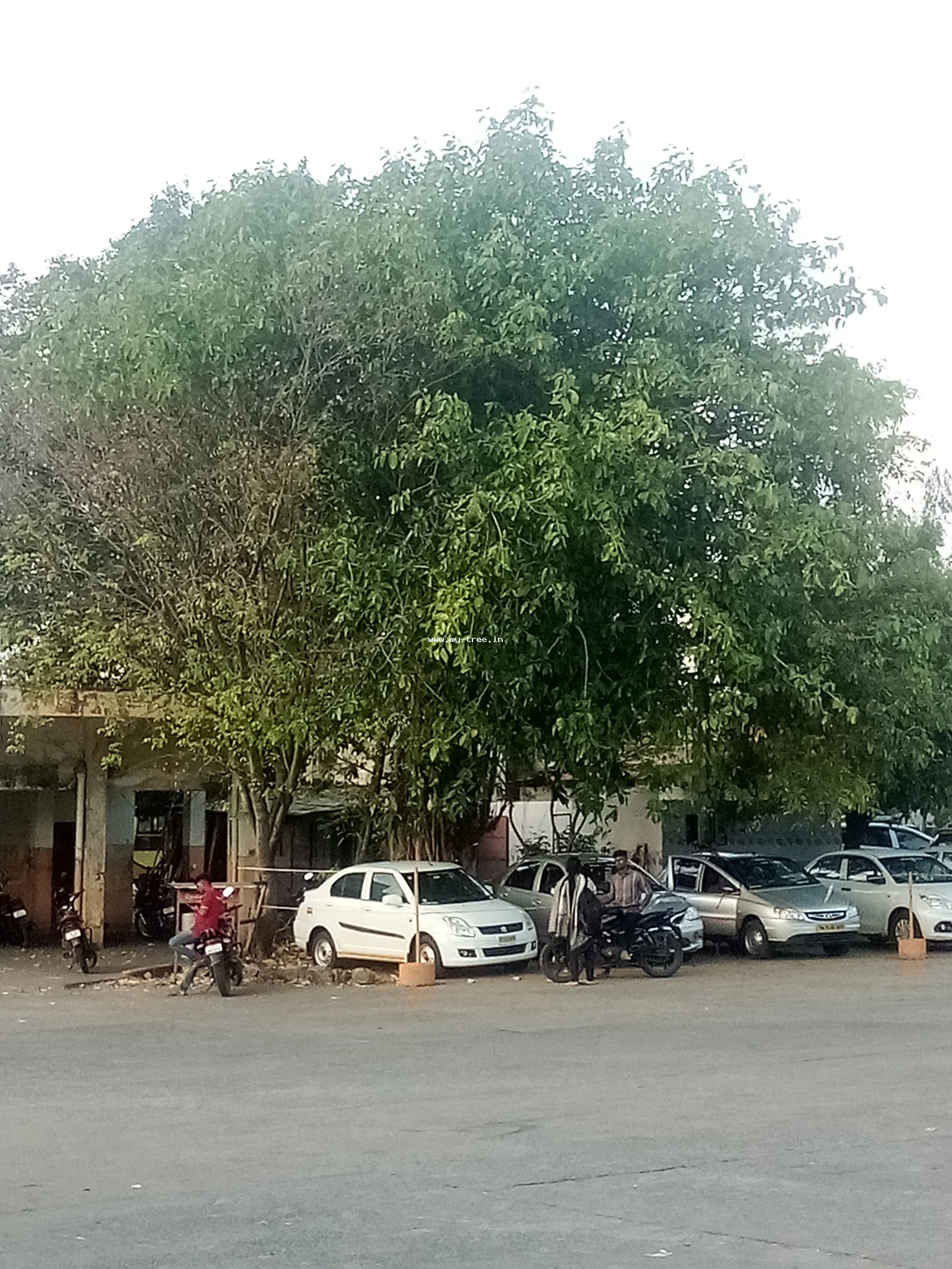
In Ayurveda, Banyan tree parts treat various ailments: aerial roots for dysentery and diarrhea; bark for skin diseases, ulcers, and diabetes; latex as an astringent for wounds and hemorrhoids; leaves for bruises, colds, and as a poultice for abscesses; figs for digestive issues. It has anti-inflammatory, antioxidant, and antimicrobial properties.
🔊 Listen
Unique aerial roots descend from branches to ground, forming new trunks, enabling vast canopy spread up to 100m. Considered sacred in India, often planted near temples. Provides habitat for wildlife, prevents soil erosion, and offers cooling shade. Symbol of immortality; India's national tree.
🔊 Listen
Ficus benghalensis
🔊 Listen
⚠️ My-Tree is not responsible for misuse. Always consult a qualified professional before using any plant material.
🌱 Story of Banyan tree
The Banyan tree is a majestic fig species renowned for its expansive canopy and aerial prop roots that form additional trunks, creating a grove-like structure. Native to the Indian subcontinent, it symbolizes longevity and is culturally significant in Hinduism and Buddhism. Mature trees can spread over 100 meters wide, providing ample shade. Leaves are thick, oval, and glossy green. Figs are small, red when ripe, attracting birds.
This tree heals the planet
Every single day, Banyan tree gives back
☁️ CO₂ Absorbed
22 kg/yr
≈ 110 km of car emissions offset annually
💨 Oxygen Released
16 kg/yr
💧 Water Conserved
3,740 L/yr
—
Age
30.0m
Height
200yr
Lifespan
Stage
📋 Details
🌿
Family
Moraceae
📍
Native Status
🏙️
City
Tenkasi
🗺️
Location
Roadside
🩺 Medicinal Properties
In Ayurveda, Banyan tree parts treat various ailments: aerial roots for dysentery and diarrhea; bark for skin diseases, ulcers, and diabetes; latex as an astringent for wounds and hemorrhoids; leaves for bruises, colds, and as a poultice for abscesses; figs for digestive issues. It has anti-inflammatory, antioxidant, and antimicrobial properties.
✨ What makes Banyan tree special
Unique aerial roots descend from branches to ground, forming new trunks, enabling vast canopy spread up to 100m. Considered sacred in India, often planted near temples. Provides habitat for wildlife, prevents soil erosion, and offers cooling shade. Symbol of immortality; India's national tree.