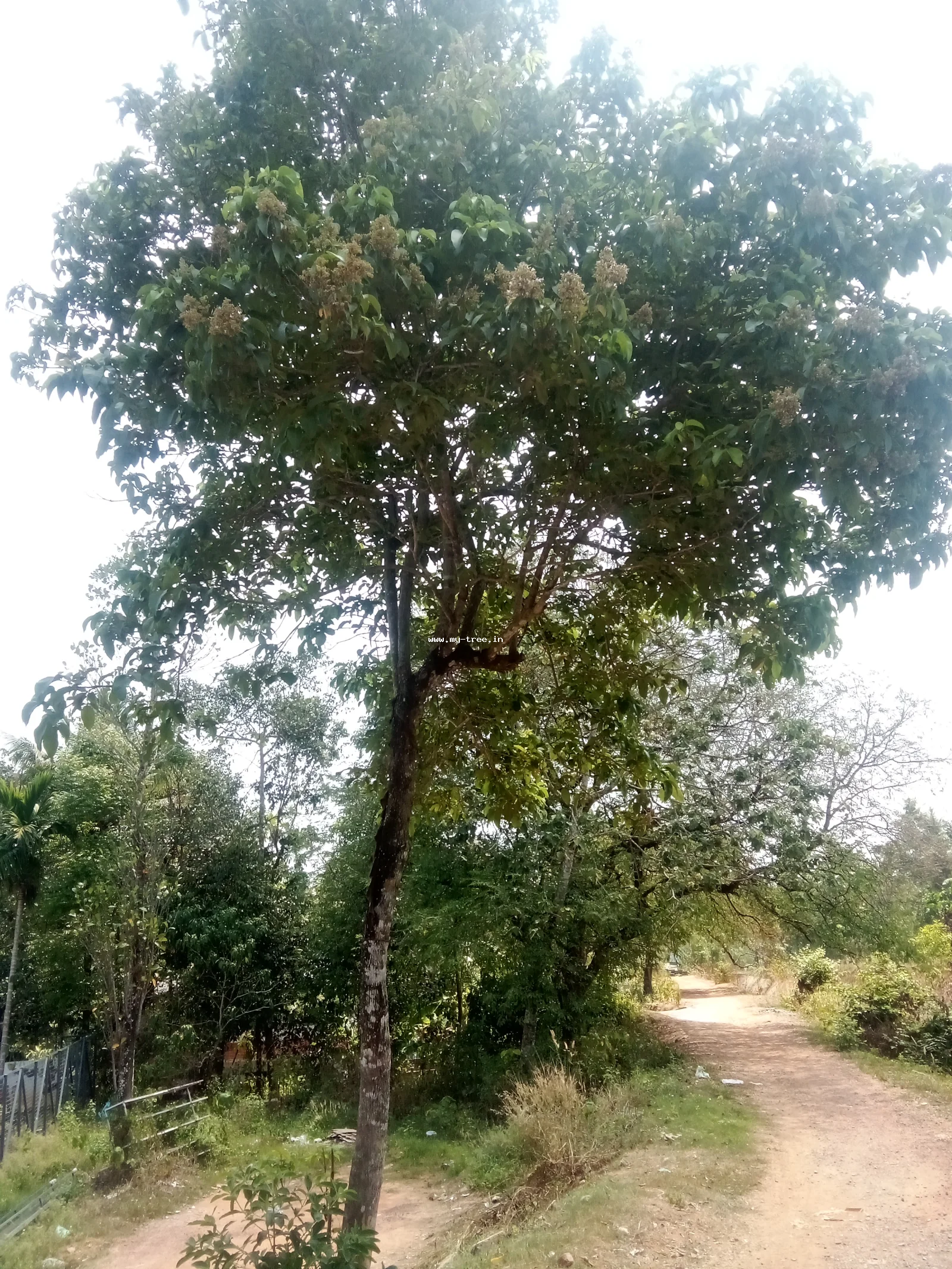
Different parts of Nauclea orientalis have been used in traditional medicine in some regions. The bark and leaves are sometimes used in herbal remedies for treating fever, skin infections, and inflammation. Extracts from the plant have been studied for potential antimicrobial and anti-inflammatory properties. In folk medicine, preparations from the bark may be applied externally to wounds or skin problems. However, medicinal use varies by region and scientific evidence is still limited, so it should not replace professional medical treatment.
🔊 Listen
This tree is notable for its unusual spherical flower heads that resemble yellow balls. It is highly tolerant of seasonal flooding and is commonly found along riverbanks and wetlands. Nauclea orientalis grows rapidly and provides excellent shade due to its large spreading canopy. It also supports bi
🔊 Listen
Nauclea orientalis
🔊 Listen
⚠️ AI Error: models/gemini-1.5-flash is not found for API version v1beta, or is not supported for generateContent. Call ListModels to see the list of available models and their supported methods.
🔊 Listen
⚠️ My-Tree is not responsible for misuse. Always consult a qualified professional before using any plant material.
🌱 Story of Leichhardt Tree
Nauclea orientalis, commonly known as the Leichhardt Tree or Yellow Cheesewood, is a fast-growing tropical tree found near rivers, wetlands, and floodplains. It is native to South and Southeast Asia and northern Australia. The tree can grow up to around 30 meters tall and produces distinctive round, yellow-orange ball-shaped flowers. It thrives in moist soils and plays an important ecological role in stabilizing riverbanks and providing shade and habitat for wildlife. Its broad canopy and rapid growth make it valuable for reforestation and environmental restoration projects in tropical regions.
This tree heals the planet
Every single day, Leichhardt Tree gives back
☁️ CO₂ Absorbed
220 kg/yr
≈ 1,100 km of car emissions offset annually
💨 Oxygen Released
160 kg/yr
💧 Water Conserved
37,400 L/yr
25
Age
3000.0m
Height
120yr
Lifespan
Stage
📋 Details
🌿
Family
Rubiaceae
📍
Native Status
🏙️
City
uliyanad chathnoor
🗺️
Location
Roadside
🩺 Medicinal Properties
Different parts of Nauclea orientalis have been used in traditional medicine in some regions. The bark and leaves are sometimes used in herbal remedies for treating fever, skin infections, and inflammation. Extracts from the plant have been studied for potential antimicrobial and anti-inflammatory properties. In folk medicine, preparations from the bark may be applied externally to wounds or skin problems. However, medicinal use varies by region and scientific evidence is still limited, so it should not replace professional medical treatment.
✨ What makes Leichhardt Tree special
This tree is notable for its unusual spherical flower heads that resemble yellow balls. It is highly tolerant of seasonal flooding and is commonly found along riverbanks and wetlands. Nauclea orientalis grows rapidly and provides excellent shade due to its large spreading canopy. It also supports bi