Various parts of Bridelia retusa are used in traditional Ayurvedic medicine. The bark is known for its astringent and anti-inflammatory properties and is often used to treat diarrhea, dysentery, and skin diseases. Leaf extracts are sometimes applied to wounds and ulcers for faster healing. The plant is also believed to possess antimicrobial and antioxidant properties.
🔊 Listen
Bridelia retusa is valued for its very strong and durable wood, traditionally used for making agricultural tools, cart wheels, and handles. The bark also produces tannins used in traditional dyeing and leather processing. Its fruits support wildlife, making it an important species for maintaining bi
🔊 Listen
Bridelia retusa
🔊 Listen
⚠️ My-Tree is not responsible for misuse. Always consult a qualified professional before using any plant material.
🌱 Story of Axlewood
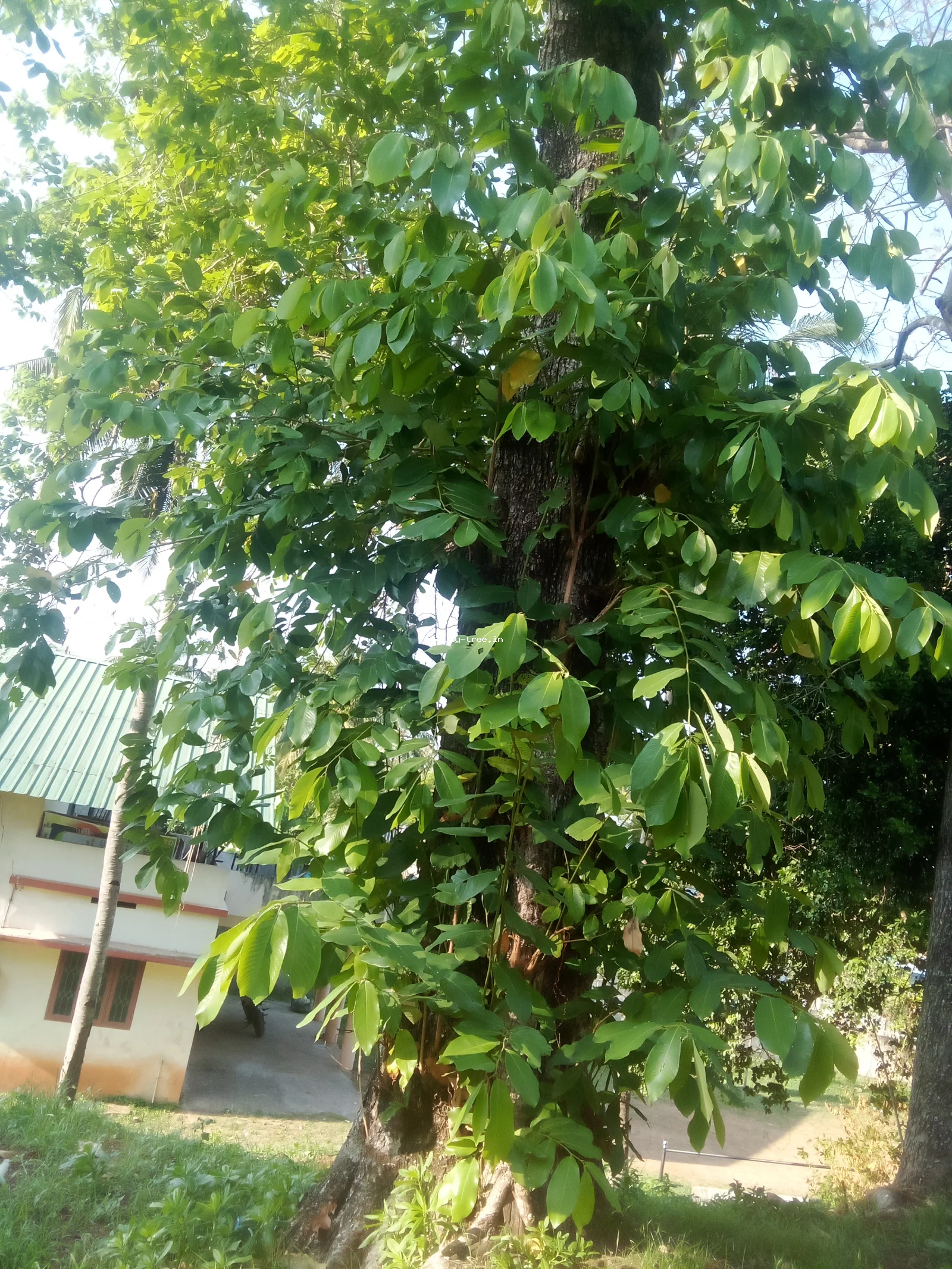
Bridelia retusa is a medium-sized deciduous tree commonly found in tropical forests of India and South Asia. It typically grows along forest edges, hills, and dry deciduous regions. The tree has rough bark, simple oval leaves, and small greenish flowers that later produce small black fruits. It plays an important ecological role by providing food for birds and insects while stabilizing soil in forest ecosystems.
This tree heals the planet
Every single day, Axlewood gives back
☁️ CO₂ Absorbed
220 kg/yr
≈ 1,100 km of car emissions offset annually
💨 Oxygen Released
160 kg/yr
💧 Water Conserved
37,400 L/yr
35
Age
1500.0m
Height
120yr
Lifespan
Stage
📋 Details
🌿
Family
Phyllanthaceae
📍
Native Status
🏙️
City
Chinnakada Kollam
🗺️
Location
Campus
🩺 Medicinal Properties
Various parts of Bridelia retusa are used in traditional Ayurvedic medicine. The bark is known for its astringent and anti-inflammatory properties and is often used to treat diarrhea, dysentery, and skin diseases. Leaf extracts are sometimes applied to wounds and ulcers for faster healing. The plant is also believed to possess antimicrobial and antioxidant properties.
✨ What makes Axlewood special
Bridelia retusa is valued for its very strong and durable wood, traditionally used for making agricultural tools, cart wheels, and handles. The bark also produces tannins used in traditional dyeing and leather processing. Its fruits support wildlife, making it an important species for maintaining bi