The leaves of Pisonia grandis are traditionally used in folk medicine. They are known for anti-inflammatory properties and are sometimes applied as poultices for swelling and joint pain. In some cultures, the leaves are used in remedies for digestive issues and mild infections. However, scientific validation of these uses is limited.
🔊 Listen
This tree is highly valued for its ability to grow in harsh coastal environments, including saline and nutrient-poor soils. It provides habitat for seabirds, whose droppings enrich the soil. Its lightweight wood and rapid growth make it unique among coastal tree species.
🔊 Listen
This tree is highly valued for its ability to grow in harsh coastal environments, including saline and nutrient-poor soils. It provides habitat for seabirds, whose droppings enrich the soil. Its lightweight wood and rapid growth make it unique among coastal tree species.
🔊 Listen
The leaves of Pisonia grandis are traditionally used in folk medicine. They are known for anti-inflammatory properties and are sometimes applied as poultices for swelling and joint pain. In some cultures, the leaves are used in remedies for digestive issues and mild infections. However, scientific validation of these uses is limited.
🔊 Listen
80 years
🔊 Listen
12 meters
🔊 Listen
Nyctaginaceae
🔊 Listen
⚠️ My-Tree is not responsible for misuse. Always consult a qualified professional before using any plant material.
🌱 Story of Lettuce Tree
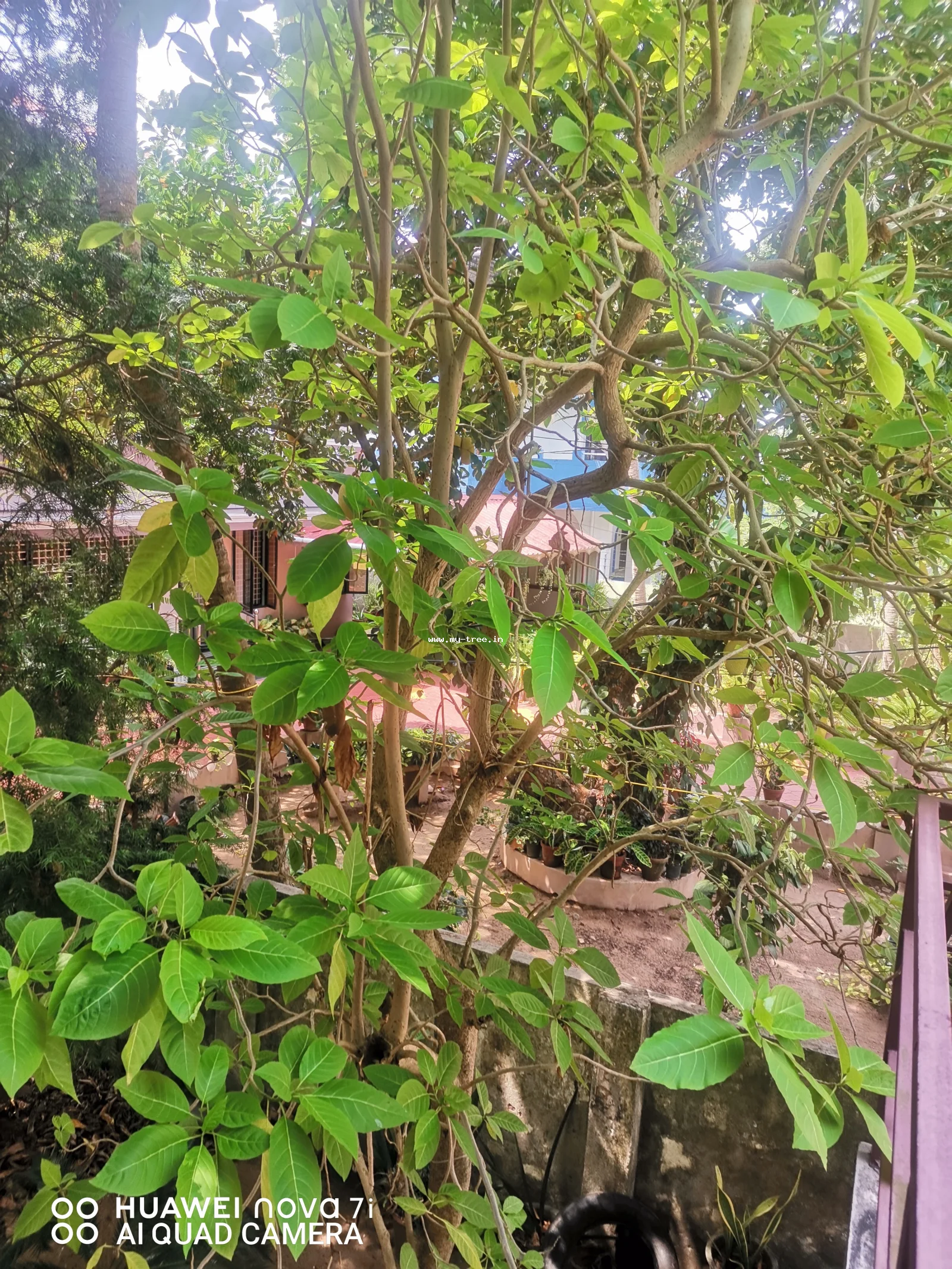
Pisonia grandis, commonly known as the Lettuce Tree, is a fast-growing, soft-wooded coastal tree found in tropical regions. It has broad, light-green leaves and a spreading canopy that provides excellent shade. The tree thrives in sandy and saline soils, often found near seashores and islands. It plays an important ecological role by supporting bird habitats and stabilizing coastal ecosystems.
This tree heals the planet
Every single day, Lettuce Tree gives back
☁️ CO₂ Absorbed
20 kg/yr
≈ 100 km of car emissions offset annually
💨 Oxygen Released
15 kg/yr
💧 Water Conserved
3,400 L/yr
5
Age
12.0m
Height
80yr
Lifespan
Mature
Stage
📋 Details
🌿
Family
Nyctaginaceae
📍
Native Status
—
🏙️
City
Kollam
🗺️
Location
Private Property
🩺 Medicinal Properties
The leaves of Pisonia grandis are traditionally used in folk medicine. They are known for anti-inflammatory properties and are sometimes applied as poultices for swelling and joint pain. In some cultures, the leaves are used in remedies for digestive issues and mild infections. However, scientific validation of these uses is limited.
✨ What makes Lettuce Tree special
This tree is highly valued for its ability to grow in harsh coastal environments, including saline and nutrient-poor soils. It provides habitat for seabirds, whose droppings enrich the soil. Its lightweight wood and rapid growth make it unique among coastal tree species.