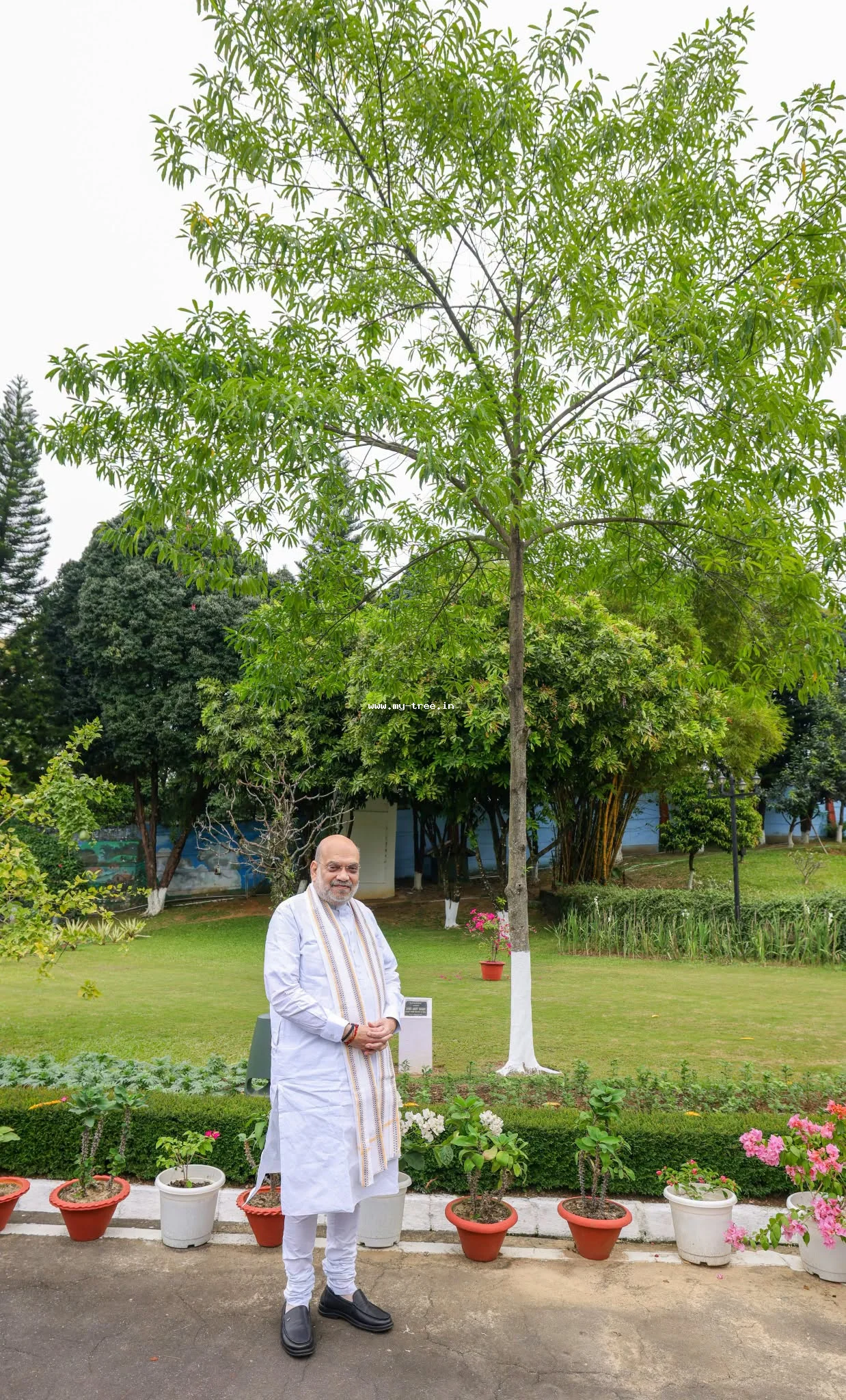
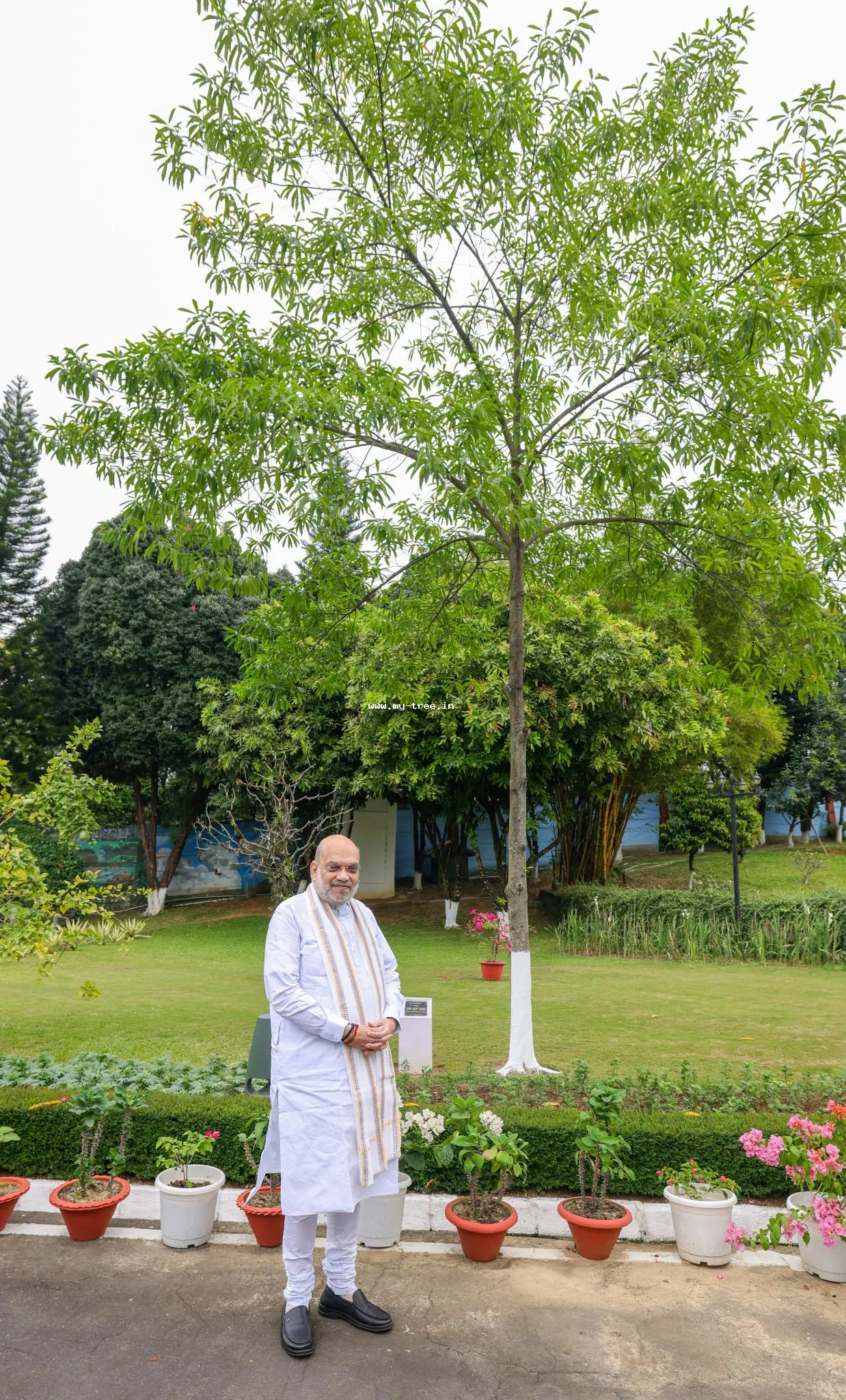
November 23, 2026 · Lok Bhawan campus in Arunachal Pradesh
Digital IdentityTree Visiting Card
🌿
TREE No. 1282
My-Tree · Green-Campus
Red Sandalwood tree
Pterocarpus santalinus
FamilyFabaceae
Status
LocationLok Bhawan campus in Arunachal Pradesh
TaggedNovember 23, 2026
Planted byShri Amit Shah Union Home Minister
Scan to meet this treemy-tree.in/tree/1282
🌿 Hi, I'm Red Sandalwood tree
Ask me anything — in any language
🌳 Red Sandalwood tree is speaking...
Quick Questions
Red Sandalwood has a long history of use in traditional Ayurvedic and folk medicine. Its heartwood and extracts are traditionally used for cooling, anti-inflammatory, antimicrobial, wound-healing, and skin-soothing purposes. It has been used in pastes, powders, and decoctions for skin conditions, fevers, headaches, inflammation, and digestive complaints. Scientific studies suggest potential antioxidant, antimicrobial, anti-inflammatory, and antidiabetic activities, but clinical evidence in humans remains limited. It should not replace medical treatment, and use of wild-harvested material may be legally restricted.
🔊 Listen
Red Sandalwood is prized for its distinctive deep-red heartwood, which is used in fine furniture, musical instruments, carvings, dyes, and traditional medicines. Unlike fragrant sandalwood, it is not primarily valued for aroma. The species is endemic to limited dry forest regions of southern India a
🔊 Listen
Red Sandalwood is prized for its distinctive deep-red heartwood, which is used in fine furniture, musical instruments, carvings, dyes, and traditional medicines. Unlike fragrant sandalwood, it is not primarily valued for aroma. The species is endemic to limited dry forest regions of southern India and is slow-growing, often requiring decades to develop commercially valuable heartwood. It is internationally protected under CITES due to overharvesting and illegal trade, making conservation and legal cultivation especially important.
🔊 Listen
Red Sandalwood has a long history of use in traditional Ayurvedic and folk medicine. Its heartwood and extracts are traditionally used for cooling, anti-inflammatory, antimicrobial, wound-healing, and skin-soothing purposes. It has been used in pastes, powders, and decoctions for skin conditions, fevers, headaches, inflammation, and digestive complaints. Scientific studies suggest potential antioxidant, antimicrobial, anti-inflammatory, and antidiabetic activities, but clinical evidence in humans remains limited. It should not replace medical treatment, and use of wild-harvested material may be legally restricted.
🔊 Listen
100 years
🔊 Listen
12 meters
🔊 Listen
Fabaceae
🔊 Listen
⚠️ My-Tree is not responsible for misuse. Always consult a qualified professional before using any plant material.
🌱 Story of Red Sandalwood tree
Red Sandalwood, or Red Sanders, is a slow-growing, small to medium deciduous tree native to dry, rocky forests of southern India. It typically reaches 10–15 m in height and has a dense, rounded crown, dark fissured bark, and pinnate leaves. Its heartwood is deep red to purplish and highly valued for timber, dyes, and traditional products. The species is drought-tolerant, prefers well-drained soils, and does not tolerate waterlogging or frost. It is ecologically important in dry deciduous forests and is classified as endangered due to habitat loss and overexploitation.
📷 Gallery
This tree heals the planet
Every single day, Red Sandalwood tree gives back
☁️ CO₂ Absorbed
20 kg/yr
≈ 100 km of car emissions offset annually
💨 Oxygen Released
15 kg/yr
💧 Water Conserved
3,400 L/yr
20
Age
12.0m
Height
100yr
Lifespan
Sapling
Stage
📋 Details
🌿
Family
Fabaceae
📍
Native Status
🏙️
City
Lok Bhawan campus in Arunachal Pradesh
🗺️
Location
Campus
🩺 Medicinal Properties
Red Sandalwood has a long history of use in traditional Ayurvedic and folk medicine. Its heartwood and extracts are traditionally used for cooling, anti-inflammatory, antimicrobial, wound-healing, and skin-soothing purposes. It has been used in pastes, powders, and decoctions for skin conditions, fevers, headaches, inflammation, and digestive complaints. Scientific studies suggest potential antioxidant, antimicrobial, anti-inflammatory, and antidiabetic activities, but clinical evidence in humans remains limited. It should not replace medical treatment, and use of wild-harvested material may be legally restricted.
✨ What makes Red Sandalwood tree special
Red Sandalwood is prized for its distinctive deep-red heartwood, which is used in fine furniture, musical instruments, carvings, dyes, and traditional medicines. Unlike fragrant sandalwood, it is not primarily valued for aroma. The species is endemic to limited dry forest regions of southern India a