Various parts of the tree are used in traditional medicine. The leaves and bark possess antimicrobial and anti-inflammatory properties and have been used to treat digestive disorders, coughs, and skin ailments. The fruits contain vitamin C, antioxidants, and dietary fiber, contributing to overall health and immunity.
🔊 Listen
The tree is admired for its striking flowers, attractive canopy, and nutritious fruits. It supports pollinators such as bees and birds, provides shade, and contributes to urban greening. Its fruits are consumed fresh, made into jams, jellies, and beverages, making it both an ornamental and useful fo
🔊 Listen
The tree is admired for its striking flowers, attractive canopy, and nutritious fruits. It supports pollinators such as bees and birds, provides shade, and contributes to urban greening. Its fruits are consumed fresh, made into jams, jellies, and beverages, making it both an ornamental and useful food tree.
🔊 Listen
Various parts of the tree are used in traditional medicine. The leaves and bark possess antimicrobial and anti-inflammatory properties and have been used to treat digestive disorders, coughs, and skin ailments. The fruits contain vitamin C, antioxidants, and dietary fiber, contributing to overall health and immunity.
🔊 Listen
80 years
🔊 Listen
18 meters
🔊 Listen
Non-Native
🔊 Listen
⚠️ My-Tree is not responsible for misuse. Always consult a qualified professional before using any plant material.
🌱 Story of Malay Apple
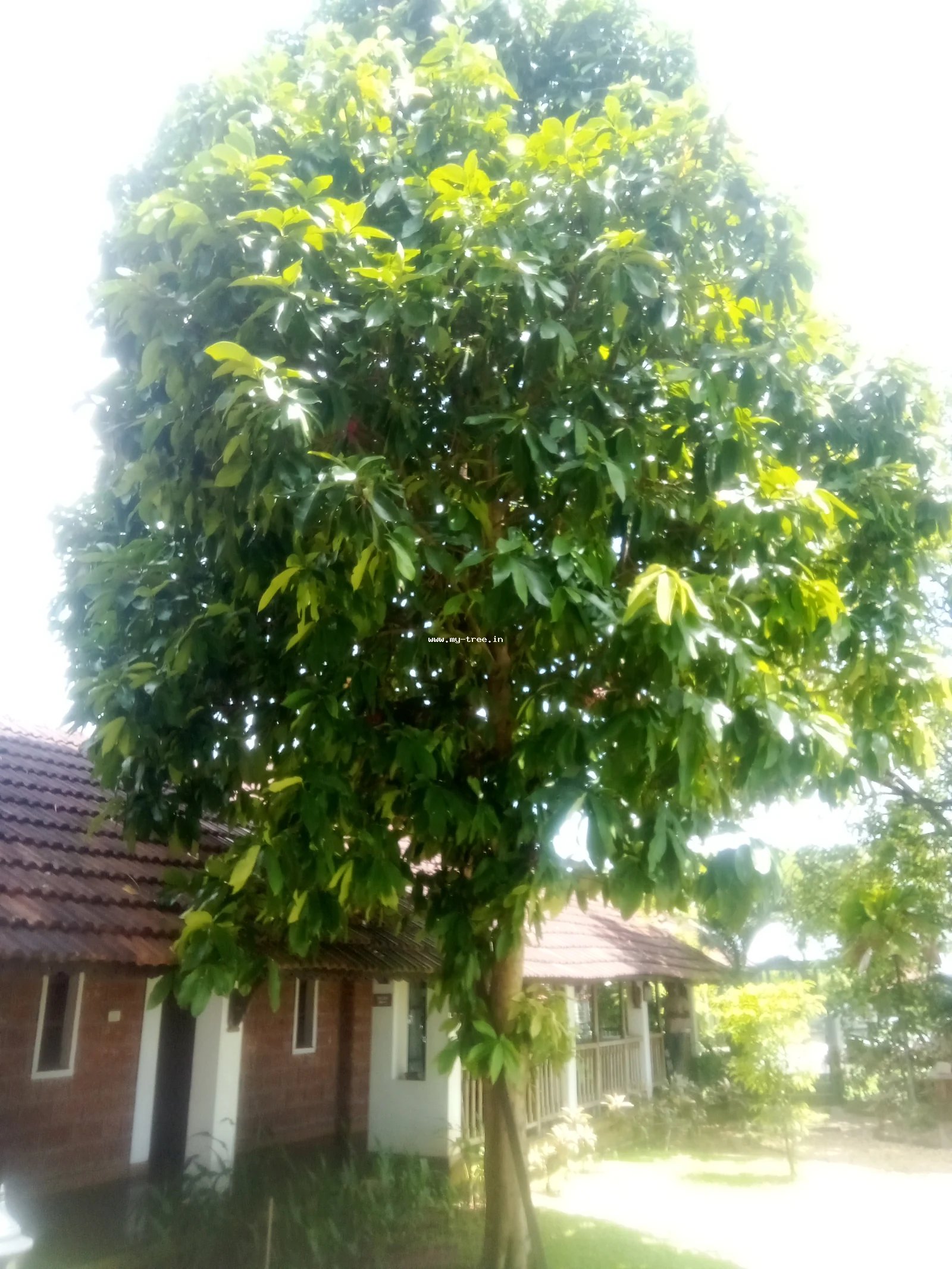
Syzygium malaccense, commonly known as Malay Apple, is a tropical evergreen tree valued for its attractive pink-red flowers and glossy leaves. It produces bell-shaped edible fruits with white juicy flesh and a mild sweet flavor. The tree is widely cultivated in tropical regions as an ornamental, fruit-bearing, and shade tree. It thrives in warm, humid climates with well-drained soils and regular rainfall.
This tree heals the planet
Every single day, Malay Apple gives back
☁️ CO₂ Absorbed
22 kg/yr
≈ 110 km of car emissions offset annually
💨 Oxygen Released
16 kg/yr
💧 Water Conserved
3,740 L/yr
15
Age
18.0m
Height
80yr
Lifespan
Young
Stage
📋 Details
🌿
Family
Myrtaceae
📍
Native Status
🏙️
City
punnamada alappuzha
🗺️
Location
Roadside
🩺 Medicinal Properties
Various parts of the tree are used in traditional medicine. The leaves and bark possess antimicrobial and anti-inflammatory properties and have been used to treat digestive disorders, coughs, and skin ailments. The fruits contain vitamin C, antioxidants, and dietary fiber, contributing to overall health and immunity.
✨ What makes Malay Apple special
The tree is admired for its striking flowers, attractive canopy, and nutritious fruits. It supports pollinators such as bees and birds, provides shade, and contributes to urban greening. Its fruits are consumed fresh, made into jams, jellies, and beverages, making it both an ornamental and useful fo