Various parts of the mango tree are used in traditional medicine. The leaves are believed to help support healthy blood sugar levels. Bark and leaves possess antioxidant and antimicrobial properties. Mango fruits are rich in vitamins A and C, dietary fiber, and antioxidants that support immunity and overall health. Seeds and bark have been traditionally used for digestive and skin-related ailments.
🔊 Listen
Known as the 'King of Fruits,' the mango tree provides nutritious fruits, excellent shade, and habitat for wildlife. It is culturally significant in many countries and can remain productive for decades. Its broad canopy helps reduce heat, conserve soil moisture, absorb carbon dioxide, and improve th
🔊 Listen
Known as the 'King of Fruits,' the mango tree provides nutritious fruits, excellent shade, and habitat for wildlife. It is culturally significant in many countries and can remain productive for decades. Its broad canopy helps reduce heat, conserve soil moisture, absorb carbon dioxide, and improve the local environment.
🔊 Listen
Various parts of the mango tree are used in traditional medicine. The leaves are believed to help support healthy blood sugar levels. Bark and leaves possess antioxidant and antimicrobial properties. Mango fruits are rich in vitamins A and C, dietary fiber, and antioxidants that support immunity and overall health. Seeds and bark have been traditionally used for digestive and skin-related ailments.
🔊 Listen
300 years
🔊 Listen
25 meters
🔊 Listen
Native
🔊 Listen
⚠️ My-Tree is not responsible for misuse. Always consult a qualified professional before using any plant material.
🌱 Story of Mango Tree
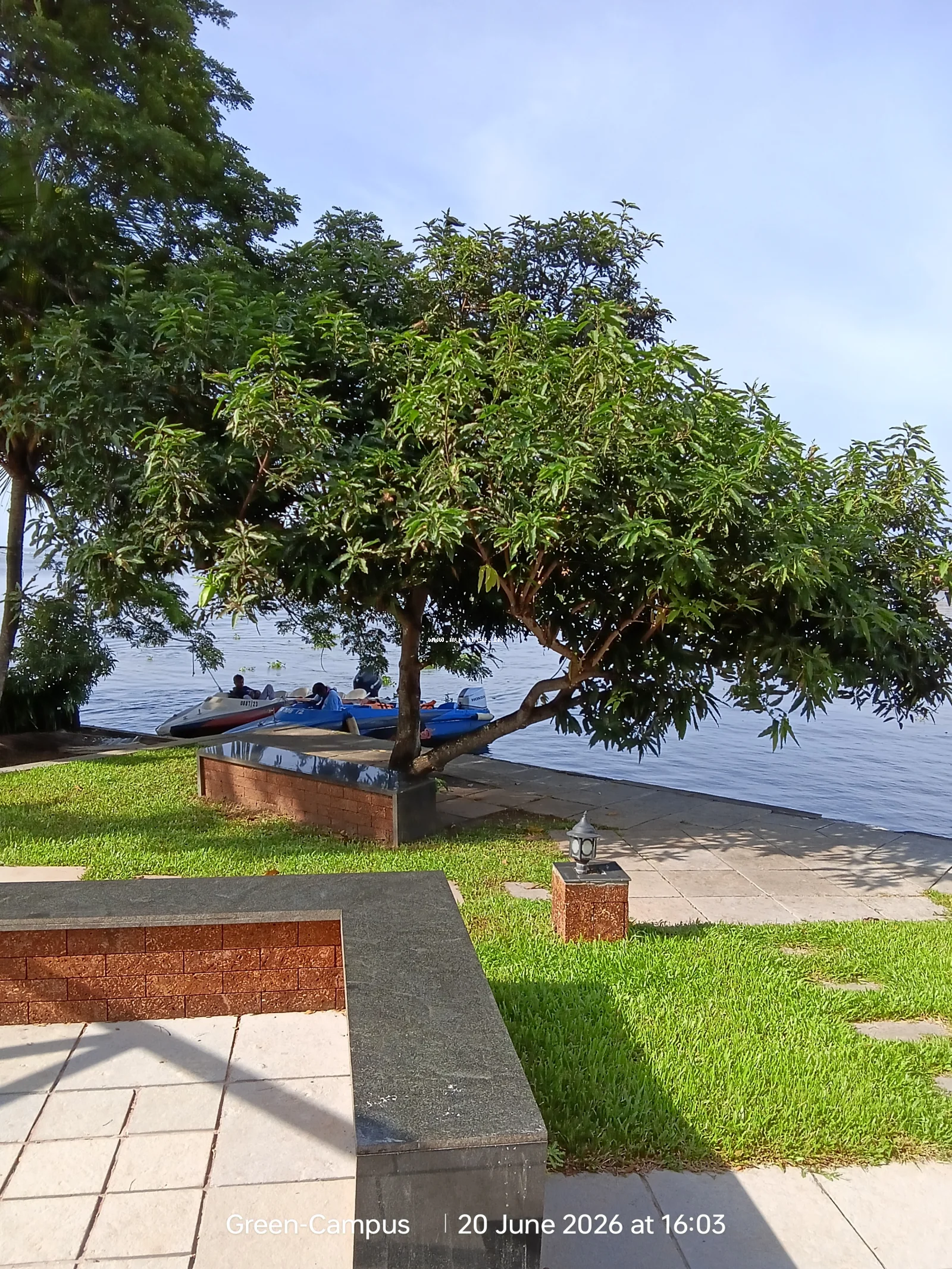
The Mango Tree (Mangifera indica) is a large evergreen fruit tree widely cultivated across tropical and subtropical regions. It is valued for its delicious fruits, dense shade, and ecological benefits. The tree has a broad canopy, glossy green leaves, and fragrant flowers that develop into mango fruits of various shapes, sizes, and flavors. Mango trees play an important role in biodiversity by supporting birds, insects, and other wildlife.
This tree heals the planet
Every single day, Mango Tree gives back
☁️ CO₂ Absorbed
25 kg/yr
≈ 125 km of car emissions offset annually
💨 Oxygen Released
18 kg/yr
💧 Water Conserved
4,250 L/yr
20
Age
25.0m
Height
300yr
Lifespan
Young
Stage
📋 Details
🌿
Family
Anacardiaceae
📍
Native Status
🏙️
City
Punnamada, Alappuzha
🗺️
Location
Roadside
🩺 Medicinal Properties
Various parts of the mango tree are used in traditional medicine. The leaves are believed to help support healthy blood sugar levels. Bark and leaves possess antioxidant and antimicrobial properties. Mango fruits are rich in vitamins A and C, dietary fiber, and antioxidants that support immunity and overall health. Seeds and bark have been traditionally used for digestive and skin-related ailments.
✨ What makes Mango Tree special
Known as the 'King of Fruits,' the mango tree provides nutritious fruits, excellent shade, and habitat for wildlife. It is culturally significant in many countries and can remain productive for decades. Its broad canopy helps reduce heat, conserve soil moisture, absorb carbon dioxide, and improve th