The bark and leaves are traditionally used in Ayurveda to treat digestive issues, skin ailments, and as an astringent. It is also used in formulations for managing blood sugar levels.
🔊 Listen
Highly valued for its dark, durable, and decorative timber, which is used in high-end furniture and musical instruments. It is a nitrogen-fixing species that helps improve soil fertility.
🔊 Listen
Highly valued for its dark, durable, and decorative timber, which is used in high-end furniture and musical instruments. It is a nitrogen-fixing species that helps improve soil fertility.
🔊 Listen
The bark and leaves are traditionally used in Ayurveda to treat digestive issues, skin ailments, and as an astringent. It is also used in formulations for managing blood sugar levels.
🔊 Listen
100 years
🔊 Listen
25 meters
🔊 Listen
Native
🔊 Listen
⚠️ My-Tree is not responsible for misuse. Always consult a qualified professional before using any plant material.
🌱 Story of Indian Rosewood
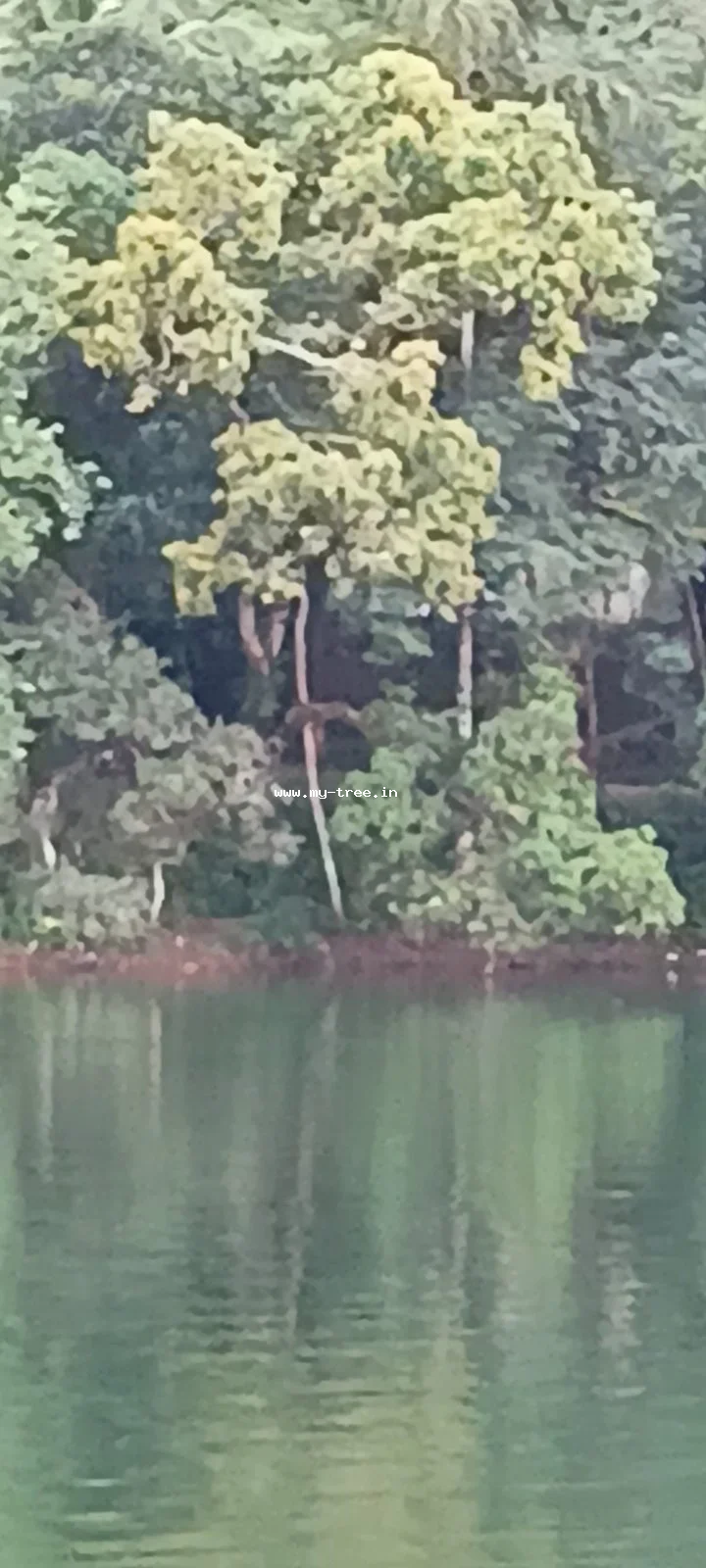
The image shows a mature tree canopy near a water body, characteristic of the riparian vegetation found in Indian forests. Based on the growth habit and foliage density, it is identified as Dalbergia latifolia, commonly known as Indian Rosewood. Please note that identification from a distance in a landscape photo involves some uncertainty as specific leaf and bark details are not visible.
This tree heals the planet
Every single day, Indian Rosewood gives back
☁️ CO₂ Absorbed
22 kg/yr
≈ 110 km of car emissions offset annually
💨 Oxygen Released
16 kg/yr
💧 Water Conserved
3,740 L/yr
—
Age
25.0m
Height
100yr
Lifespan
Mature
Stage
📋 Details
🌿
Family
Fabaceae
📍
Native Status
Native
🏙️
City
Neyyardam
🗺️
Location
Roadside
🩺 Medicinal Properties
The bark and leaves are traditionally used in Ayurveda to treat digestive issues, skin ailments, and as an astringent. It is also used in formulations for managing blood sugar levels.
✨ What makes Indian Rosewood special
Highly valued for its dark, durable, and decorative timber, which is used in high-end furniture and musical instruments. It is a nitrogen-fixing species that helps improve soil fertility.