In some traditional practices, it has been used for its anti-inflammatory and antimicrobial properties, but it is not widely recommended for medicinal use due to its invasive nature and potential toxicity.
🔊 Listen
It is widely recognized as one of the world's 100 worst invasive alien species. It is extremely resilient, drought-tolerant, and capable of growing in a wide variety of soil conditions, making it difficult to eradicate once established.
🔊 Listen
It is widely recognized as one of the world's 100 worst invasive alien species. It is extremely resilient, drought-tolerant, and capable of growing in a wide variety of soil conditions, making it difficult to eradicate once established.
🔊 Listen
In some traditional practices, it has been used for its anti-inflammatory and antimicrobial properties, but it is not widely recommended for medicinal use due to its invasive nature and potential toxicity.
🔊 Listen
5 years
🔊 Listen
Invasive
🔊 Listen
Asteraceae
🔊 Listen
⚠️ My-Tree is not responsible for misuse. Always consult a qualified professional before using any plant material.
🌱 Story of Singapore Daisy
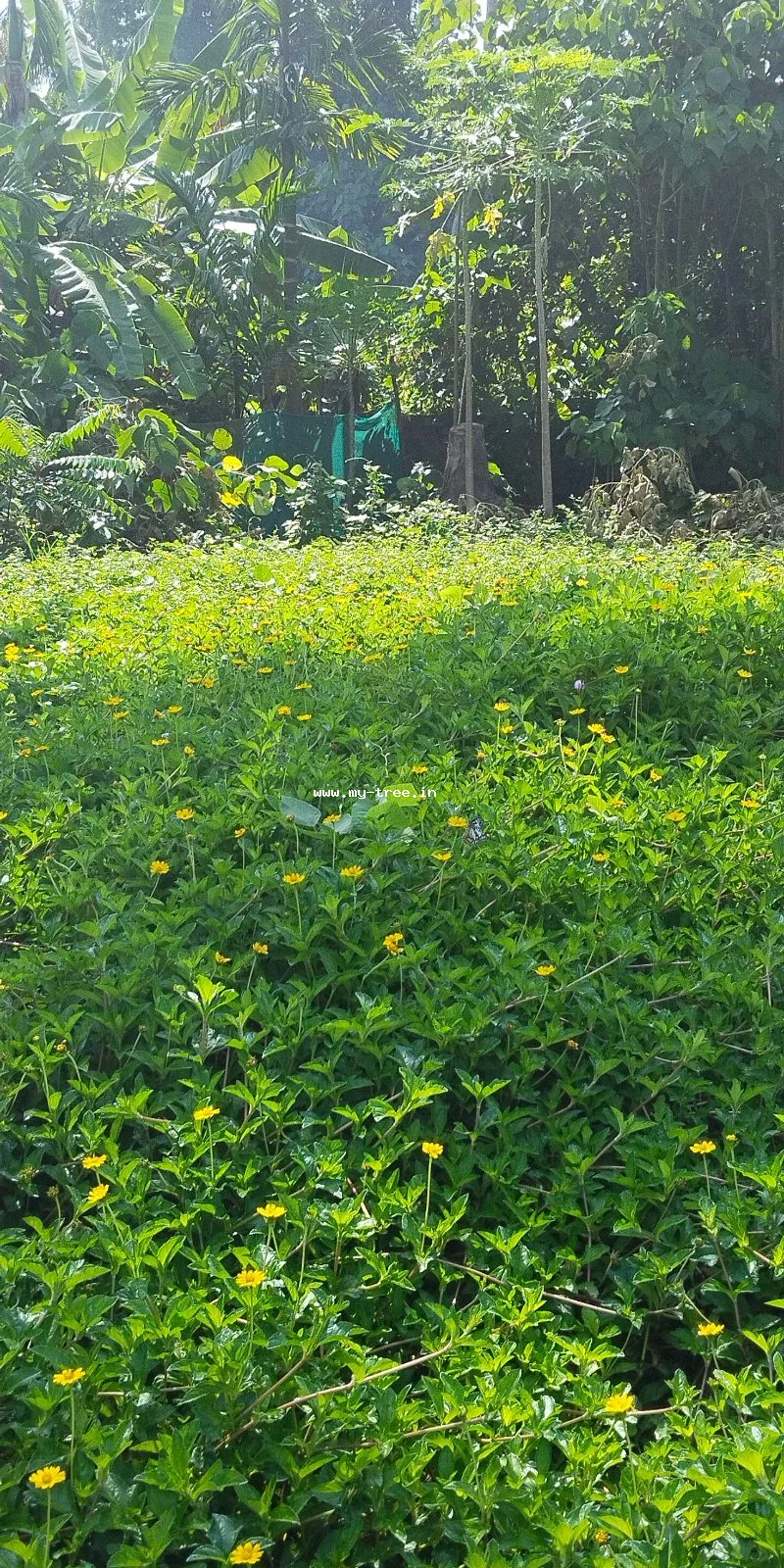
The image shows a dense ground cover of Sphagneticola trilobata, commonly known as Singapore Daisy. While it produces bright yellow flowers, it is not a tree but a creeping herbaceous perennial plant. It is considered highly invasive in India, as it spreads rapidly and outcompetes native ground flora, forming dense mats that prevent the regeneration of other plant species.
This tree heals the planet
Every single day, Singapore Daisy gives back
☁️ CO₂ Absorbed
0 kg/yr
≈ 0 km of car emissions offset annually
💨 Oxygen Released
0 kg/yr
💧 Water Conserved
0 L/yr
—
Age
0.0m
Height
5yr
Lifespan
Mature
Stage
📋 Details
🌿
Family
Asteraceae
📍
Native Status
Invasive
🏙️
City
Kollam
🗺️
Location
Roadside
🩺 Medicinal Properties
In some traditional practices, it has been used for its anti-inflammatory and antimicrobial properties, but it is not widely recommended for medicinal use due to its invasive nature and potential toxicity.
✨ What makes Singapore Daisy special
It is widely recognized as one of the world's 100 worst invasive alien species. It is extremely resilient, drought-tolerant, and capable of growing in a wide variety of soil conditions, making it difficult to eradicate once established.