The bark, leaves, and fruits are used in Ayurveda to treat various ailments including skin diseases, digestive issues, and respiratory problems. It is known for its anti-inflammatory and antioxidant properties.
🔊 Listen
It is considered a sacred tree in India, often found near temples and villages. It is one of the few trees that releases oxygen at night due to Crassulacean Acid Metabolism (CAM) photosynthesis.
🔊 Listen
It is considered a sacred tree in India, often found near temples and villages. It is one of the few trees that releases oxygen at night due to Crassulacean Acid Metabolism (CAM) photosynthesis.
🔊 Listen
The bark, leaves, and fruits are used in Ayurveda to treat various ailments including skin diseases, digestive issues, and respiratory problems. It is known for its anti-inflammatory and antioxidant properties.
🔊 Listen
1500 years
🔊 Listen
15 meters
🔊 Listen
Native
🔊 Listen
⚠️ My-Tree is not responsible for misuse. Always consult a qualified professional before using any plant material.
🌱 Story of Peepal Tree
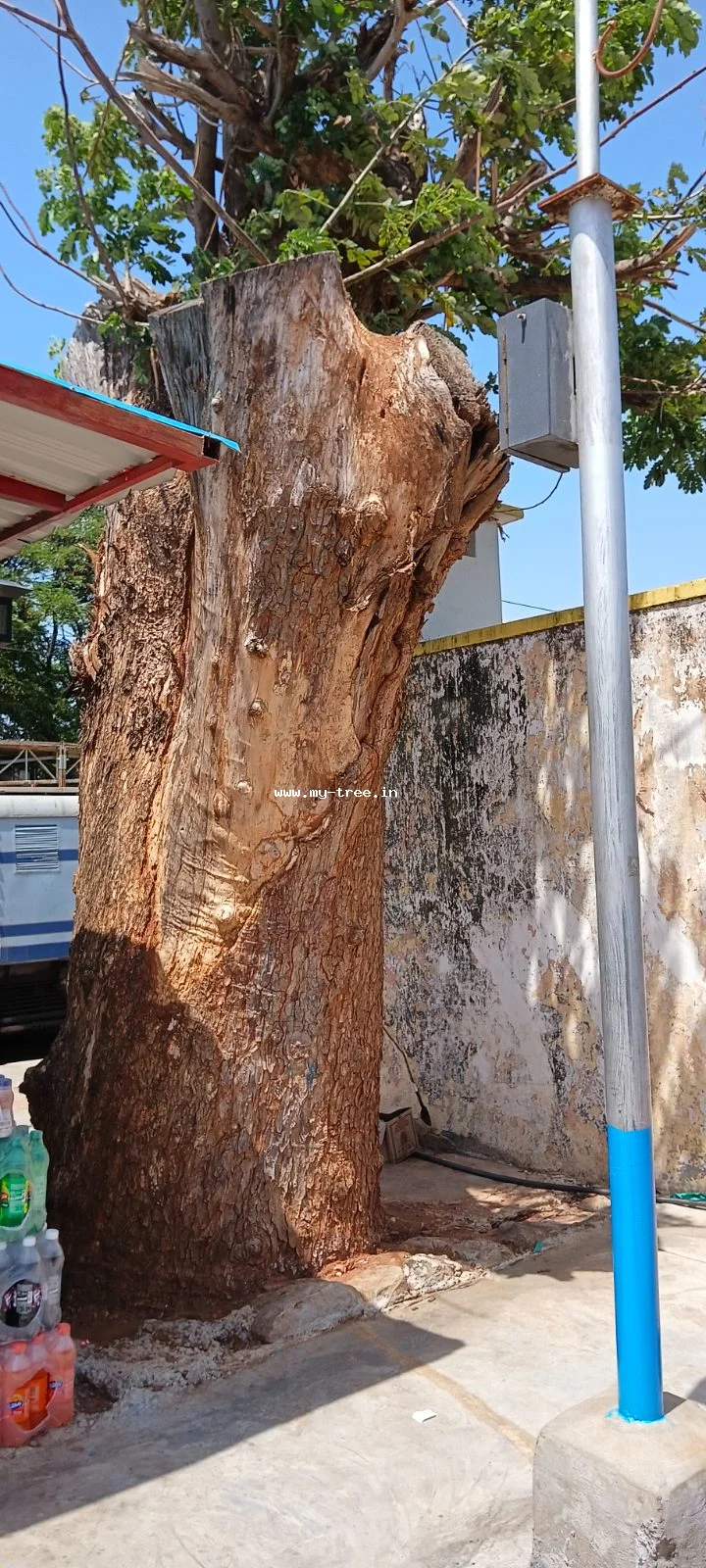
The tree in the image is a mature Ficus religiosa, commonly known as the Peepal or Sacred Fig. The main trunk has been heavily pruned or pollarded, which is common in urban settings to manage size, yet the tree shows signs of vigorous regrowth from the upper canopy. The bark texture and characteristic trunk structure are indicative of this species, which is deeply revered in Indian culture.
This tree heals the planet
Every single day, Peepal Tree gives back
☁️ CO₂ Absorbed
22 kg/yr
≈ 110 km of car emissions offset annually
💨 Oxygen Released
16 kg/yr
💧 Water Conserved
3,740 L/yr
—
Age
15.0m
Height
1500yr
Lifespan
Old Growth
Stage
📋 Details
🌿
Family
Moraceae
📍
Native Status
Native
🏙️
City
Tenkasi Railway station
🗺️
Location
Roadside
🩺 Medicinal Properties
The bark, leaves, and fruits are used in Ayurveda to treat various ailments including skin diseases, digestive issues, and respiratory problems. It is known for its anti-inflammatory and antioxidant properties.
✨ What makes Peepal Tree special
It is considered a sacred tree in India, often found near temples and villages. It is one of the few trees that releases oxygen at night due to Crassulacean Acid Metabolism (CAM) photosynthesis.