September 28, 2026 · MSU Abishekapatti, Tirunelveli
🌿 Hi, I'm Tamarind
Ask me anything — in any language
🌳 Tamarind is speaking...
Quick Questions
The pulp is used as a laxative and digestive aid. Leaves and bark are used in traditional medicine for their anti-inflammatory and antimicrobial properties.
🔊 Listen
Highly drought-tolerant and culturally significant in India, often found in temple complexes and as a shade tree along roadsides.
🔊 Listen
Highly drought-tolerant and culturally significant in India, often found in temple complexes and as a shade tree along roadsides.
🔊 Listen
The pulp is used as a laxative and digestive aid. Leaves and bark are used in traditional medicine for their anti-inflammatory and antimicrobial properties.
🔊 Listen
200 years
🔊 Listen
6 meters
🔊 Listen
Native
🔊 Listen
⚠️ My-Tree is not responsible for misuse. Always consult a qualified professional before using any plant material.
🌱 Story of Tamarind
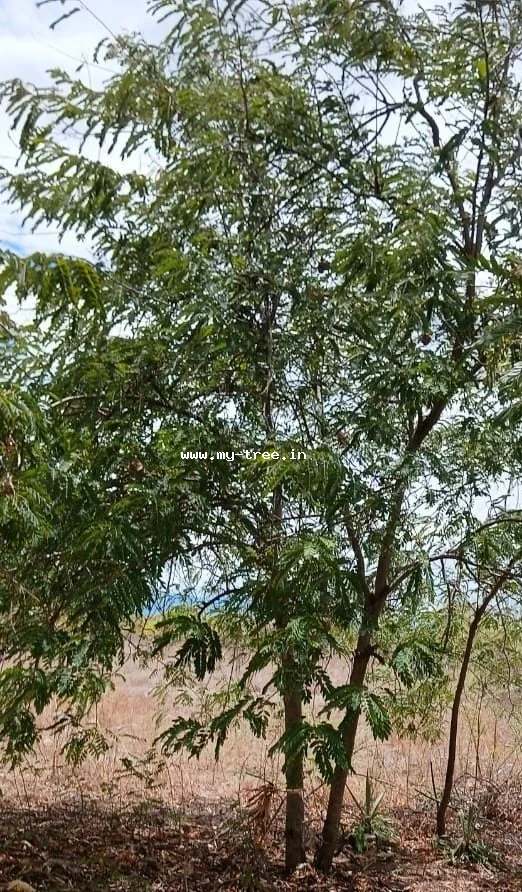
Tamarindus indica is a long-lived, bushy tree with feathery, pinnate leaves. It is widely cultivated in India for its edible, acidic fruit pulp. This specimen appears to be a young tree, showing characteristic branching patterns and foliage typical of the species.
This tree heals the planet
Every single day, Tamarind gives back
☁️ CO₂ Absorbed
22 kg/yr
≈ 110 km of car emissions offset annually
💨 Oxygen Released
16 kg/yr
💧 Water Conserved
3,740 L/yr
—
Age
6.0m
Height
200yr
Lifespan
Young
Stage
📋 Details
🌿
Family
Fabaceae
📍
Native Status
Native
🏙️
City
MSU Abishekapatti, Tirunelveli
🗺️
Location
Roadside
🩺 Medicinal Properties
The pulp is used as a laxative and digestive aid. Leaves and bark are used in traditional medicine for their anti-inflammatory and antimicrobial properties.
✨ What makes Tamarind special
Highly drought-tolerant and culturally significant in India, often found in temple complexes and as a shade tree along roadsides.