September 28, 2026 Β· MSU Abishekapatti, Tirunelveli
πΏ Hi, I'm Temple Tree
Ask me anything β in any language
π³ Temple Tree is speaking...
Quick Questions
In traditional medicine, various parts of the plant have been used for their antimicrobial, anti-inflammatory, and antioxidant properties. The latex is sometimes applied to skin ailments, though caution is advised due to potential irritation.
π Listen
Highly valued for its ornamental beauty and the intense, sweet fragrance of its flowers, which are frequently used in religious offerings and garlands in India.
π Listen
Highly valued for its ornamental beauty and the intense, sweet fragrance of its flowers, which are frequently used in religious offerings and garlands in India.
π Listen
In traditional medicine, various parts of the plant have been used for their antimicrobial, anti-inflammatory, and antioxidant properties. The latex is sometimes applied to skin ailments, though caution is advised due to potential irritation.
π Listen
50 years
π Listen
4 meters
π Listen
Non-Native
π Listen
β οΈ My-Tree is not responsible for misuse. Always consult a qualified professional before using any plant material.
π± Story of Temple Tree
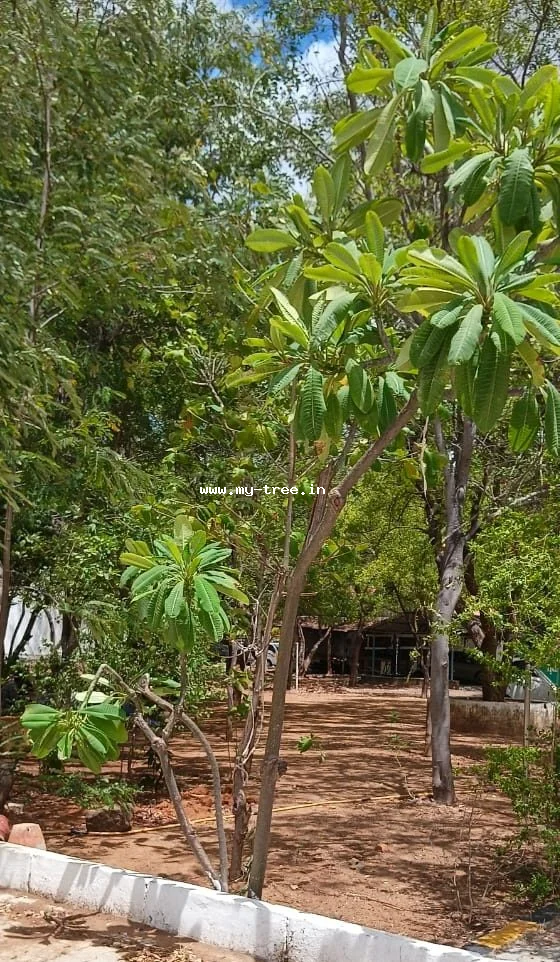
Plumeria rubra is a deciduous shrub or small tree widely cultivated in India for its fragrant, colorful flowers. It is characterized by thick, succulent branches and spirally arranged leaves clustered at the tips of the branches. The plant contains a milky latex that is toxic if ingested. It is well-adapted to tropical climates and thrives in well-drained soil with plenty of sunlight.
In traditional medicine, various parts of the plant have been used for their antimicrobial, anti-inflammatory, and antioxidant properties. The latex is sometimes applied to skin ailments, though caution is advised due to potential irritation.
β¨ What makes Temple Tree special
Highly valued for its ornamental beauty and the intense, sweet fragrance of its flowers, which are frequently used in religious offerings and garlands in India.