Indian bay leaves are valued in traditional medicine for improving digestion, reducing blood sugar levels, supporting heart health, and relieving respiratory problems like cough and cold. They also have antioxidant, anti-inflammatory, and antimicrobial properties. As a medium to large evergreen tree, it absorbs carbon dioxide from the atmosphere through photosynthesis, helping reduce CO₂ levels, improve air quality, and support environmental balance by storing carbon in its biomass.
🔊 Listen
—
🔊 Listen
Pimenta dioica.
🔊 Listen
⚠️ My-Tree is not responsible for misuse. Always consult a qualified professional before using any plant material.
🌱 Story of Indian Bay Leaf Tree
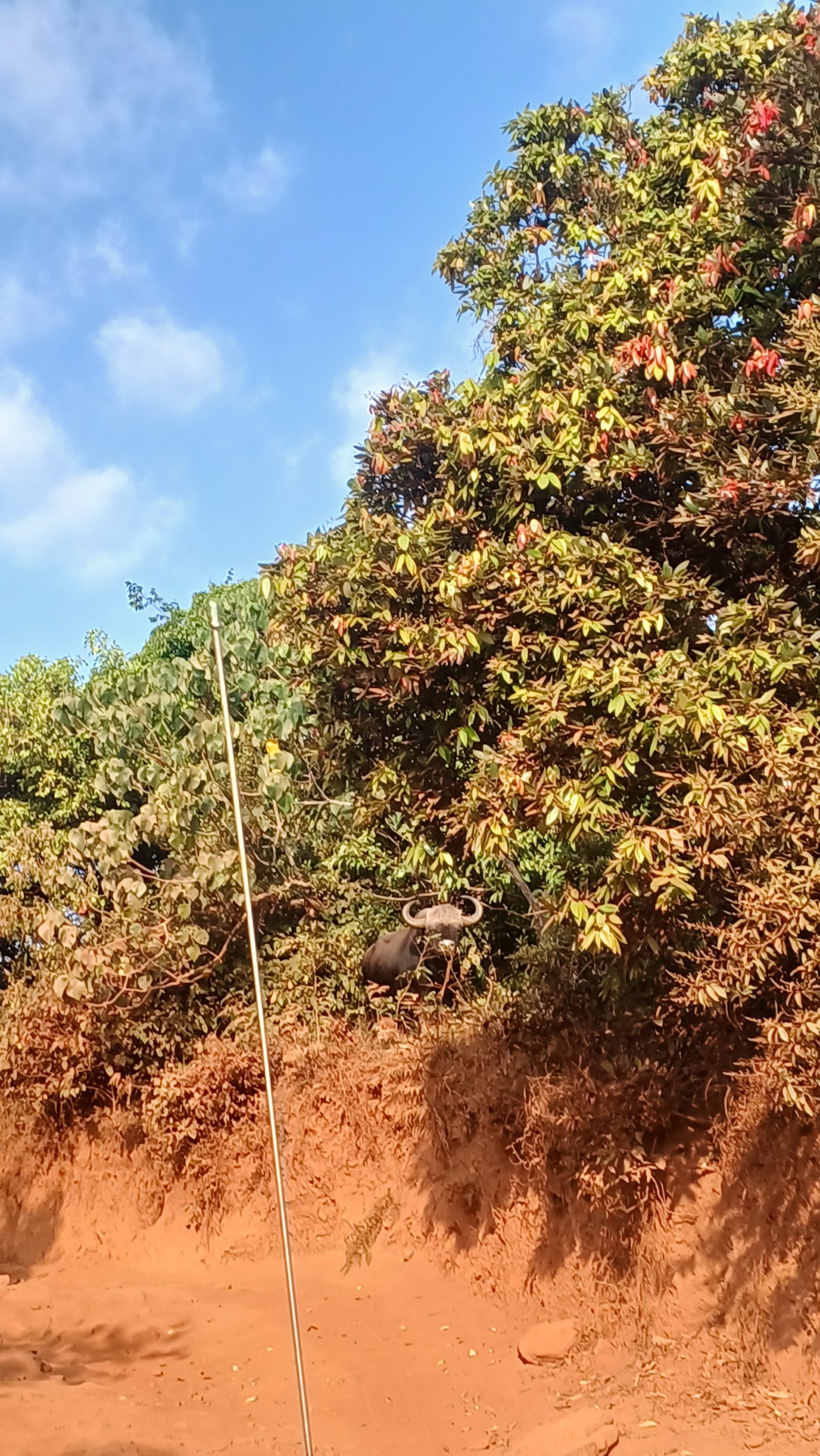
The Indian Bay Leaf Tree (Cinnamomum tamala), commonly called Tejpatta, is an evergreen tree native to the Himalayan region and parts of India. It grows up to 20 meters tall and has aromatic, olive-green leaves widely used as a spice in Indian cooking for their warm, cinnamon-like flavor. The tree belongs to the laurel family and thrives in tropical and subtropical climates
This tree heals the planet
Every single day, Indian Bay Leaf Tree gives back
☁️ CO₂ Absorbed
50 kg/yr
≈ 250 km of car emissions offset annually
💨 Oxygen Released
36 kg/yr
💧 Water Conserved
8,500 L/yr
—
Age
60.0m
Height
180yr
Lifespan
—
Stage
📋 Details
🌿
Family
—
📍
Native Status
—
🏙️
City
Trivandrum
🗺️
Location
Roadside
🩺 Medicinal Properties
Indian bay leaves are valued in traditional medicine for improving digestion, reducing blood sugar levels, supporting heart health, and relieving respiratory problems like cough and cold. They also have antioxidant, anti-inflammatory, and antimicrobial properties. As a medium to large evergreen tree, it absorbs carbon dioxide from the atmosphere through photosynthesis, helping reduce CO₂ levels, improve air quality, and support environmental balance by storing carbon in its biomass.