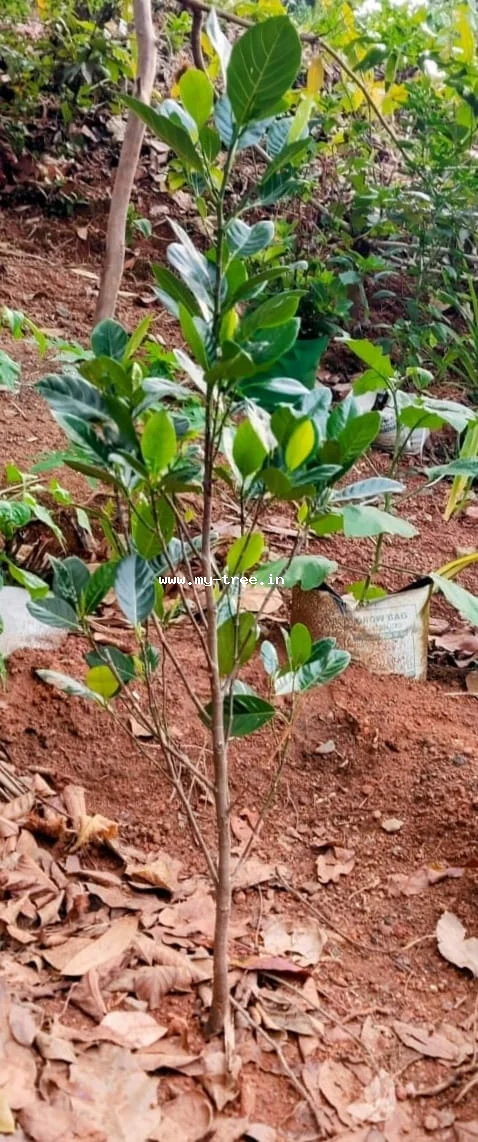
The jackfruit tree has several medicinal benefits. Its fruit is rich in vitamins A and C, potassium, fiber, and antioxidants that support immunity, digestion, and heart health. The leaves are traditionally used in herbal medicine to help manage diabetes by regulating blood sugar levels. The roots and bark have anti-inflammatory and antimicrobial properties and are used in traditional remedies for skin diseases, fever, and diarrhea. The seeds improve digestive health and provide essential nutrients, making the tree valuable in both nutrition and traditional medicine.
🔊 Listen
—
🔊 Listen
Artocarpus heterophyllus
🔊 Listen
⚠️ AI Error: models/gemini-1.5-flash-001 is not found for API version v1beta, or is not supported for generateContent. Call ListModels to see the list of available models and their supported methods.
🔊 Listen
⚠️ My-Tree is not responsible for misuse. Always consult a qualified professional before using any plant material.
🌱 Story of jack fruit tree
The jackfruit tree is a large, evergreen tropical tree widely cultivated in South and Southeast Asia. It produces the world’s largest tree-borne fruit, known for its sweet taste and high nutritional value. The tree has thick glossy leaves, a strong trunk, and a broad canopy that provides excellent shade. It is valued for its fruit, timber, environmental benefits, and adaptability to tropical climates.
This tree heals the planet
Every single day, jack fruit tree gives back
☁️ CO₂ Absorbed
50 kg/yr
≈ 250 km of car emissions offset annually
💨 Oxygen Released
36 kg/yr
💧 Water Conserved
8,500 L/yr
—
Age
30.0m
Height
120yr
Lifespan
—
Stage
📋 Details
🌿
Family
—
📍
Native Status
—
🏙️
City
Chathnoor
🗺️
Location
Private Property
🩺 Medicinal Properties
The jackfruit tree has several medicinal benefits. Its fruit is rich in vitamins A and C, potassium, fiber, and antioxidants that support immunity, digestion, and heart health. The leaves are traditionally used in herbal medicine to help manage diabetes by regulating blood sugar levels. The roots and bark have anti-inflammatory and antimicrobial properties and are used in traditional remedies for skin diseases, fever, and diarrhea. The seeds improve digestive health and provide essential nutrients, making the tree valuable in both nutrition and traditional medicine.