The bark is widely used in African traditional medicine to treat malaria, fever, stomach disorders, rheumatism, and infections. It contains alkaloids with antimicrobial and anti-inflammatory properties. Decoctions are commonly prepared from the bark for digestive and immune support. Due to its potency, dosage must be carefully controlled as high amounts may be toxic.
🔊 Listen
Highly valued medicinal tree known for its bitter bark with strong therapeutic properties. It is drought-resistant, adaptable to various soil types, and plays an ecological role in supporting local biodiversity. The bright fruits also attract birds and wildlife, aiding seed dispersal.
🔊 Listen
Strychnos henningsii Gilg
🔊 Listen
⚠️ My-Tree is not responsible for misuse. Always consult a qualified professional before using any plant material.
🌱 Story of Red Bitterberry
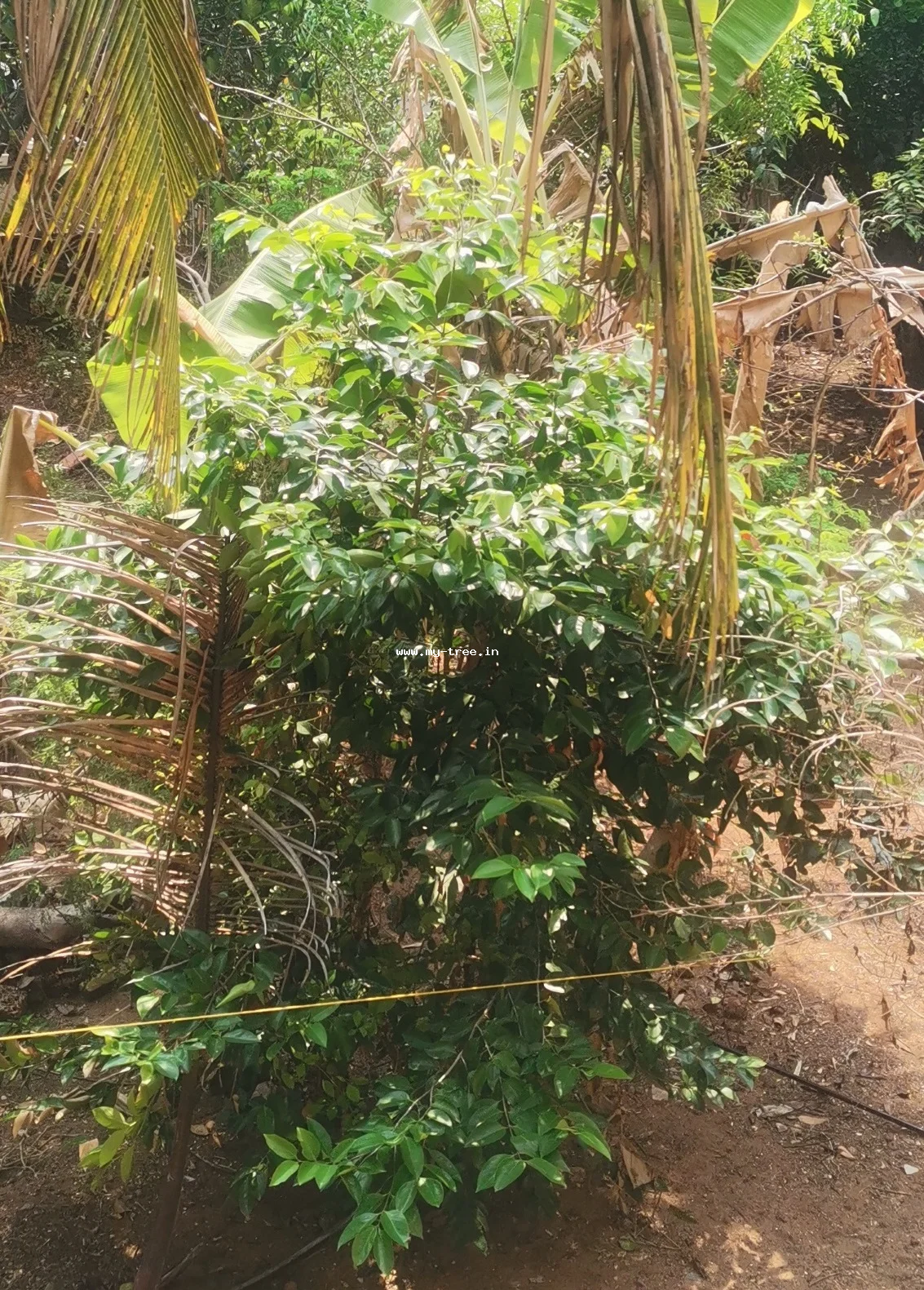
Strychnos henningsii is a medium-sized evergreen tree with a dense, rounded crown and dark green glossy leaves. It produces small greenish flowers and distinctive round fruits that turn reddish-orange when ripe. The bark is dark and rough, commonly harvested in traditional medicine. The tree thrives in woodland and forest margins and is drought-tolerant once established.
This tree heals the planet
Every single day, Red Bitterberry gives back
☁️ CO₂ Absorbed
20 kg/yr
≈ 100 km of car emissions offset annually
💨 Oxygen Released
15 kg/yr
💧 Water Conserved
3,400 L/yr
—
Age
10.0m
Height
50yr
Lifespan
Mature
Stage
📋 Details
🌿
Family
Loganiaceae
📍
Native Status
—
🏙️
City
Kollam
🗺️
Location
Private Property
🩺 Medicinal Properties
The bark is widely used in African traditional medicine to treat malaria, fever, stomach disorders, rheumatism, and infections. It contains alkaloids with antimicrobial and anti-inflammatory properties. Decoctions are commonly prepared from the bark for digestive and immune support. Due to its potency, dosage must be carefully controlled as high amounts may be toxic.
✨ What makes Red Bitterberry special
Highly valued medicinal tree known for its bitter bark with strong therapeutic properties. It is drought-resistant, adaptable to various soil types, and plays an ecological role in supporting local biodiversity. The bright fruits also attract birds and wildlife, aiding seed dispersal.