The bark and leaves are traditionally used in Ayurveda to treat various ailments, including inflammation, fever, and skin disorders. It is also known for its anthelmintic and sedative properties.
🔊 Listen
The tree is highly valued for its nitrogen-fixing ability, which improves soil fertility, and its vibrant, coral-colored flowers that attract various pollinators like birds and bees.
🔊 Listen
The tree is highly valued for its nitrogen-fixing ability, which improves soil fertility, and its vibrant, coral-colored flowers that attract various pollinators like birds and bees.
🔊 Listen
The bark and leaves are traditionally used in Ayurveda to treat various ailments, including inflammation, fever, and skin disorders. It is also known for its anthelmintic and sedative properties.
🔊 Listen
50 years
🔊 Listen
1 meters
🔊 Listen
Native
🔊 Listen
⚠️ My-Tree is not responsible for misuse. Always consult a qualified professional before using any plant material.
🌱 Story of Indian Coral Tree
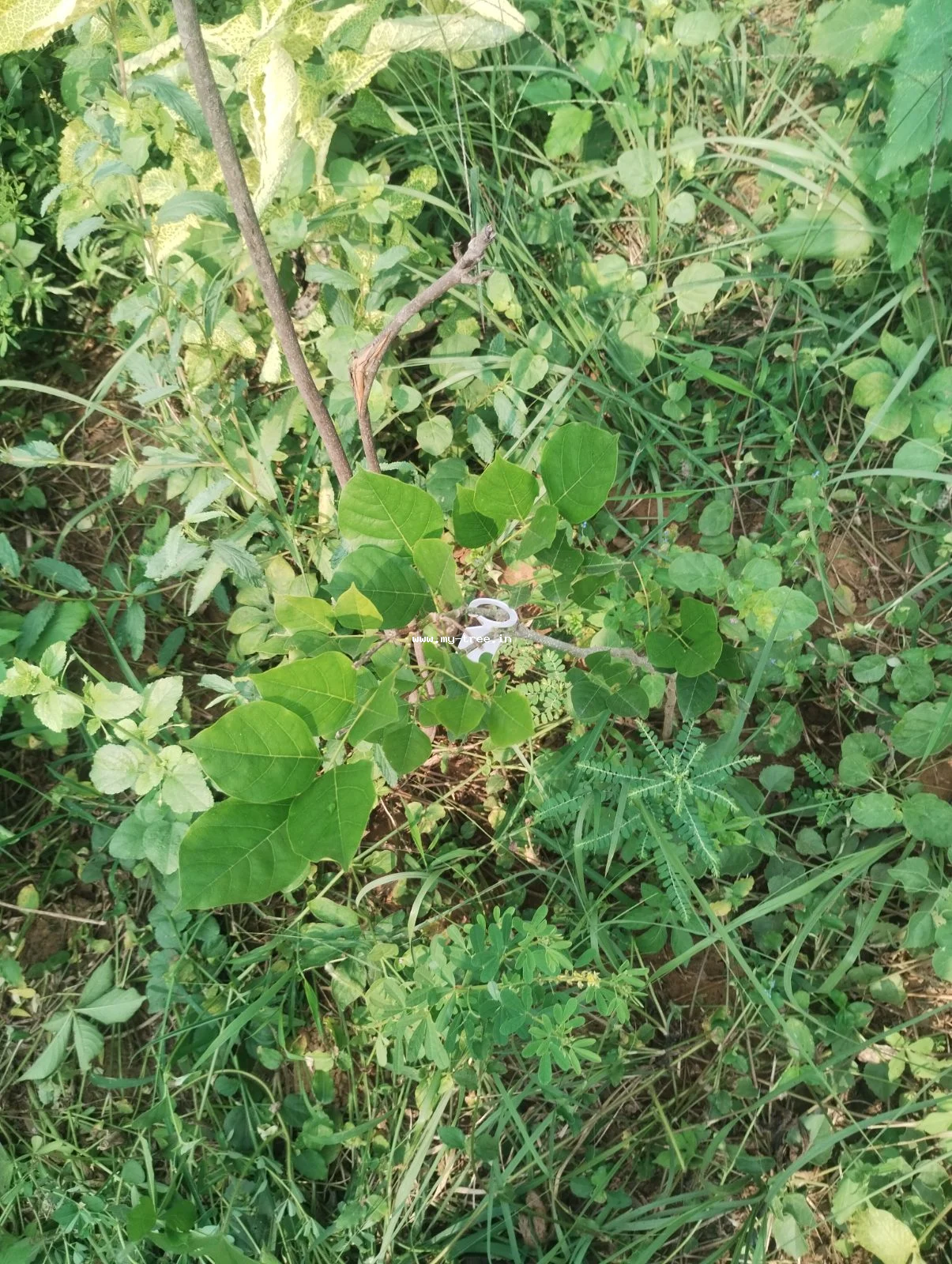
This is a young Erythrina variegata sapling, commonly known as the Indian Coral Tree. It is characterized by its trifoliate leaves and is widely distributed across tropical regions of India. It is a fast-growing, deciduous tree often used for ornamental purposes and as a living fence.
This tree heals the planet
Every single day, Indian Coral Tree gives back
☁️ CO₂ Absorbed
10 kg/yr
≈ 50 km of car emissions offset annually
💨 Oxygen Released
7 kg/yr
💧 Water Conserved
1,700 L/yr
—
Age
1.0m
Height
50yr
Lifespan
Sapling
Stage
📋 Details
🌿
Family
Fabaceae
📍
Native Status
Native
🏙️
City
Gurgaon
🗺️
Location
Campus
🩺 Medicinal Properties
The bark and leaves are traditionally used in Ayurveda to treat various ailments, including inflammation, fever, and skin disorders. It is also known for its anthelmintic and sedative properties.
✨ What makes Indian Coral Tree special
The tree is highly valued for its nitrogen-fixing ability, which improves soil fertility, and its vibrant, coral-colored flowers that attract various pollinators like birds and bees.