Jaboticaba fruits are rich in antioxidants, vitamin C, ellagic acid, and anthocyanins, offering anti-inflammatory, anticancer, and antidiabetic potential. Studies indicate benefits for cholesterol reduction, blood sugar control, and oral health. Leaves used traditionally for asthma, dysentery. Bark has astringent properties for wound healing.
🔊 Listen
Unique cauliflorous fruiting on trunk and older branches, resembling grapes clustered on bark. Slow growth suits gardens or containers. Year-round fruiting in ideal conditions. Attracts wildlife like birds and tortoises, from which its name derives ('place of tortoises'). Popular as ornamental and b
🔊 Listen
Plinia cauliflora
🔊 Listen
⚠️ My-Tree is not responsible for misuse. Always consult a qualified professional before using any plant material.
🌱 Story of Jaboticaba
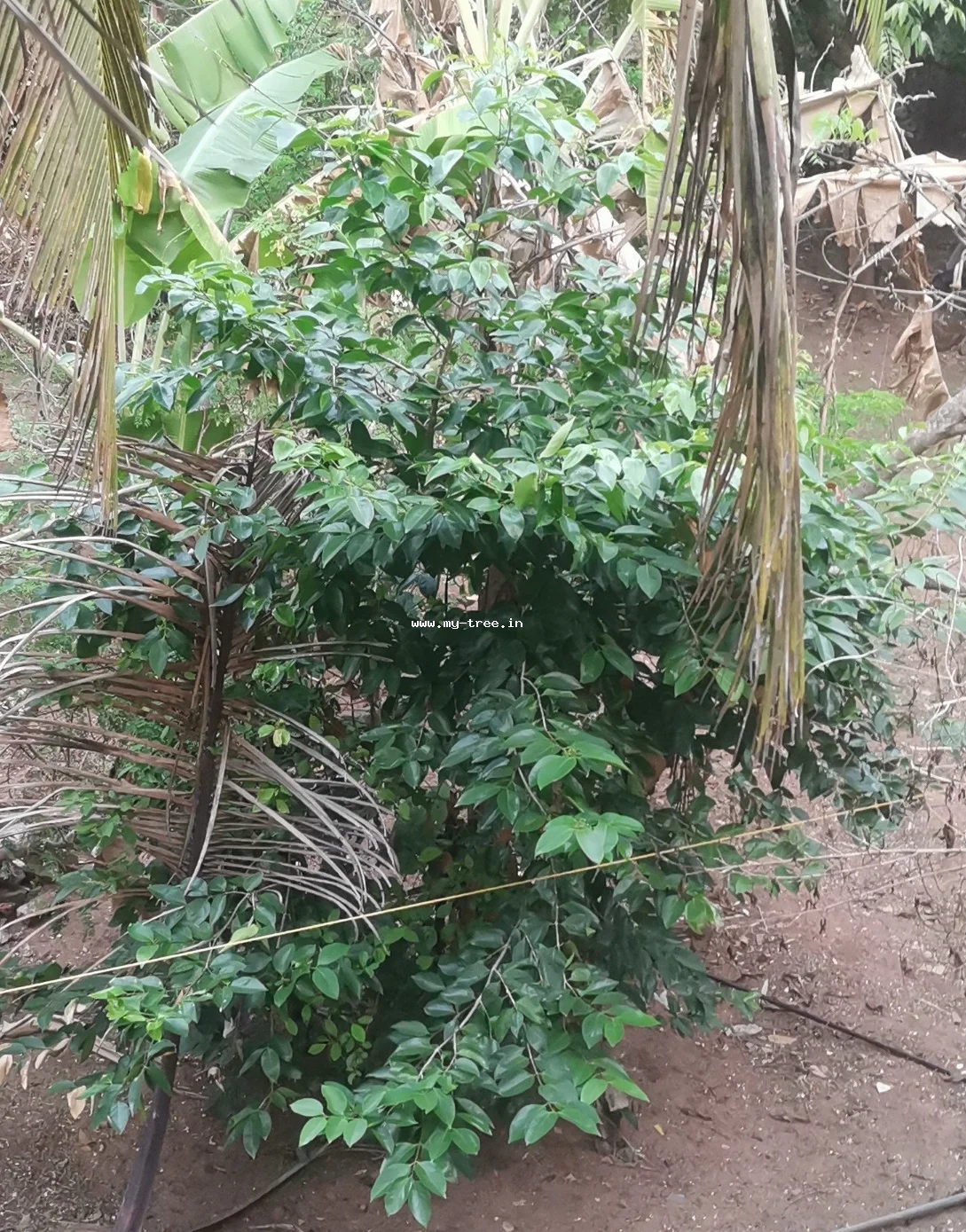
The Jaboticaba tree is a slow-growing evergreen native to Brazil, famous for producing dark purple, grape-like fruits directly on its trunk and branches (cauliflory). It reaches 10-15 meters in height with glossy green leaves. Thrives in subtropical climates, well-draining acidic soil, and full sun to partial shade. Fruits are edible, sweet-tart, used in jams, juices, wines. Can fruit multiple times yearly after 6-8 years. Tolerant of mild drought but prefers consistent moisture.
This tree heals the planet
Every single day, Jaboticaba gives back
☁️ CO₂ Absorbed
20 kg/yr
≈ 100 km of car emissions offset annually
💨 Oxygen Released
15 kg/yr
💧 Water Conserved
3,400 L/yr
10
Age
15.0m
Height
75yr
Lifespan
Stage
📋 Details
🌿
Family
Myrtaceae
📍
Native Status
🏙️
City
kollam
🗺️
Location
Private Property
🩺 Medicinal Properties
Jaboticaba fruits are rich in antioxidants, vitamin C, ellagic acid, and anthocyanins, offering anti-inflammatory, anticancer, and antidiabetic potential. Studies indicate benefits for cholesterol reduction, blood sugar control, and oral health. Leaves used traditionally for asthma, dysentery. Bark has astringent properties for wound healing.
✨ What makes Jaboticaba special
Unique cauliflorous fruiting on trunk and older branches, resembling grapes clustered on bark. Slow growth suits gardens or containers. Year-round fruiting in ideal conditions. Attracts wildlife like birds and tortoises, from which its name derives ('place of tortoises'). Popular as ornamental and b